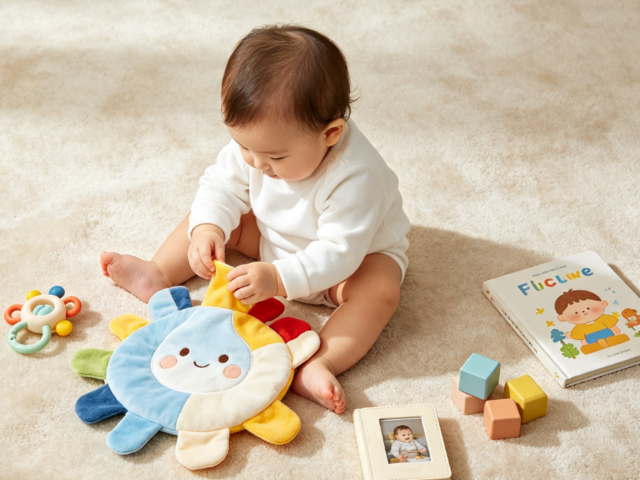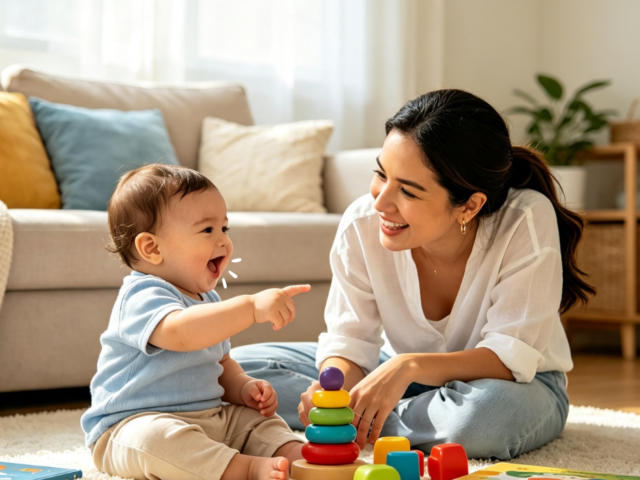
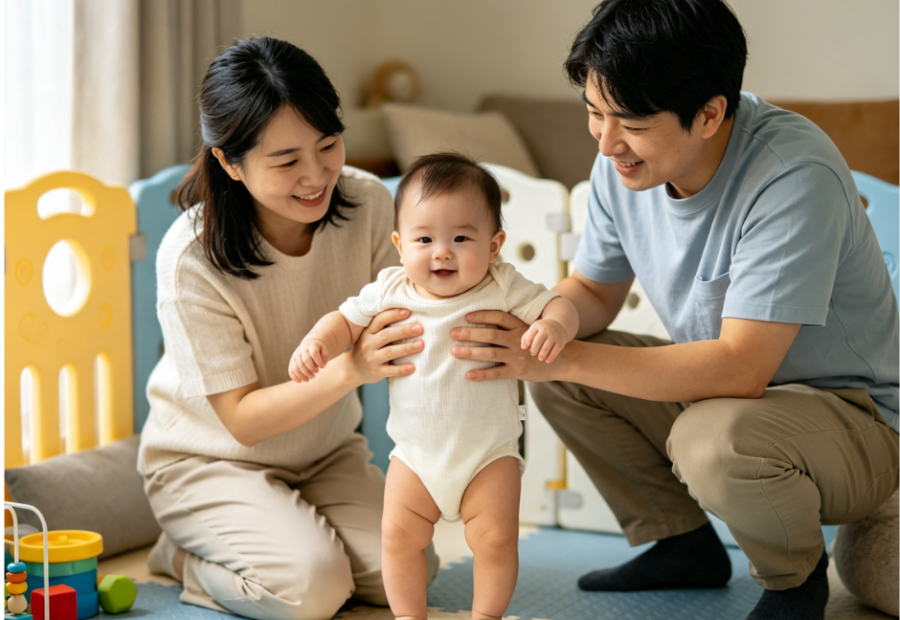
Movement is not just about a baby learning to walk. It is how they explore the world, discover their own body, and develop their brain. Many families are eager to see that first step, but every stage has its own value. Respecting your baby's pace is the best way to help them grow safely and confidently.
Crawling and its benefits
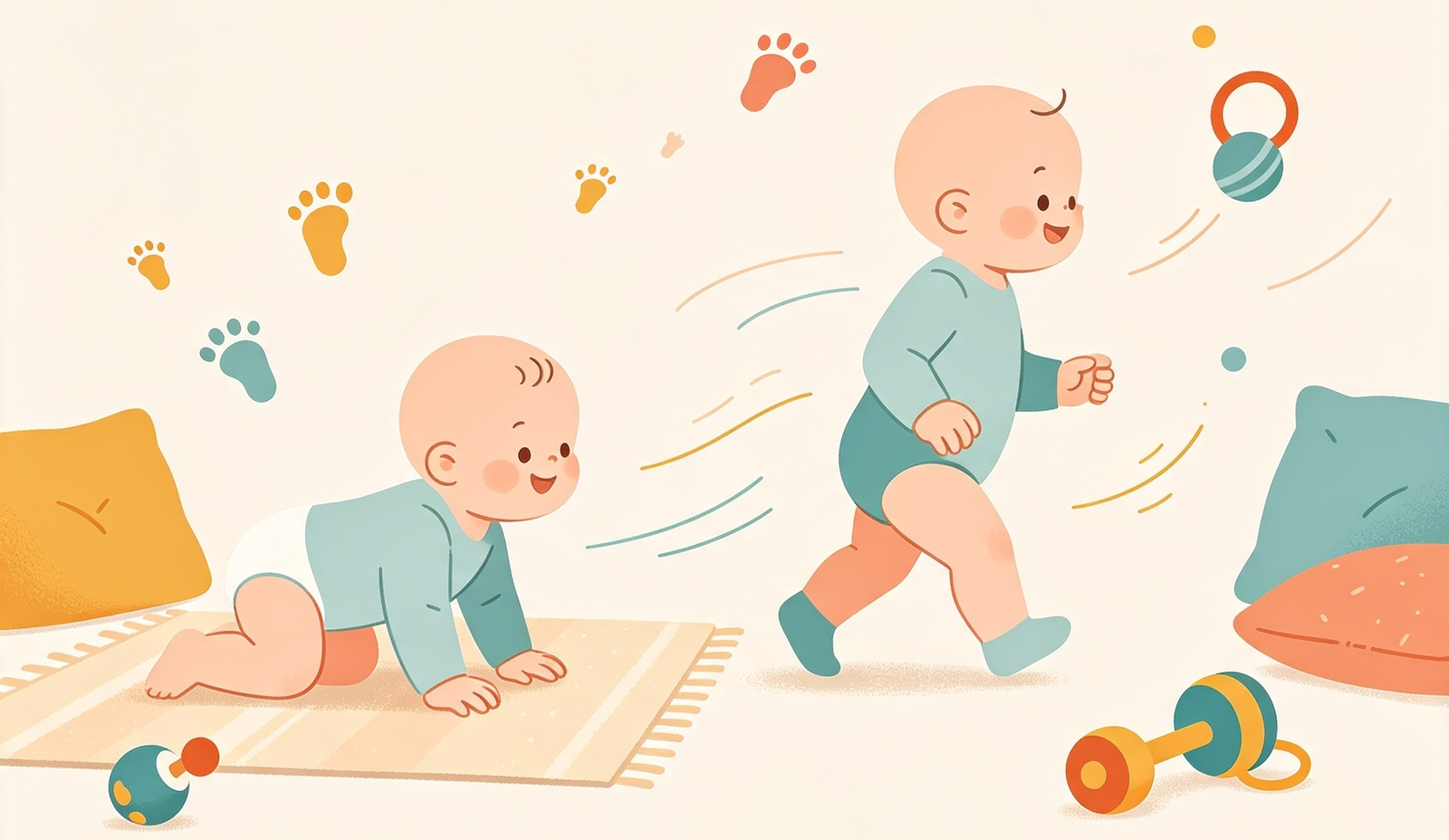
Crawling is not a mandatory stage, but it brings many benefits when it happens. It strengthens the muscles in the arms, back, and abdomen, which will be useful for walking later on. It coordinates both sides of the body simultaneously and develops depth perception, as the baby learns to judge distances while moving. Some babies skip this phase and go straight to standing, and that is completely normal too. What matters is that they find a way to move.
The value of free movement
Babies learn by moving on their own. They need space on the floor, in a safe environment, to try, fail, and try again. Walkers, bouncers, seats, and strollers used for long periods limit this exploration. They keep babies in positions they haven't yet mastered on their own and take away the chance to discover their bodies. A firm, clean floor is the best place for them to learn.
First steps happen at the right time
Every baby begins to walk at their own time. Some take their first steps at 9 months, while others may do so at 15 or 16 months. There is no advantage to walking earlier. A baby will walk when they are strong and confident enough to do so. Forcing them to stand or holding their hands for long periods does not speed up the process and can even interfere with the natural development of their feet and legs.
How to help without getting in the way
Let your baby move freely. When they pull up on furniture to stand, let them try. When they fall, they learn how to balance better next time. Indoors, let them go barefoot: this strengthens the foot muscles and helps them feel the ground. Shoes are only needed outdoors, and they should be lightweight and flexible.
Signs to discuss with your pediatrician
Every baby has their own pace, but it is worth seeking guidance if, around 12 months, they do not attempt to move at all—neither crawling, scooting, nor rolling to reach something. If they consistently use only one side of their body to move, or seem overly floppy or unusually stiff in their movements, talk to your pediatrician.
Motor development is a journey, not a race. Every attempt, every little milestone, and even every fall teaches the baby something valuable. By giving them the space to move freely, you are not just helping them learn to walk. You are giving them safety, autonomy, and the confidence to explore the world ahead.
Turn information into action. Access our planners, checklists, and digital tools to have everything you need to organize your motherhood journey in one place.
My Pregnancy Journey – Planner
https://pay.hotmart.com/A107528781GFirst 90 Days Survival Kit for Your Baby.
https://pay.hotmart.com/S107517788L